Technology
— How This Is Made Possible —
For a completely blind sailor to cross the Pacific Ocean alone,
advanced technology and shore-based support are essential.
However, even without shore support,
Hiro is capable of continuing forward through sailing itself.
◎ When Starlink Is Not Connected
■ Navigation Technology That Compensates for Vision
Sailing Support
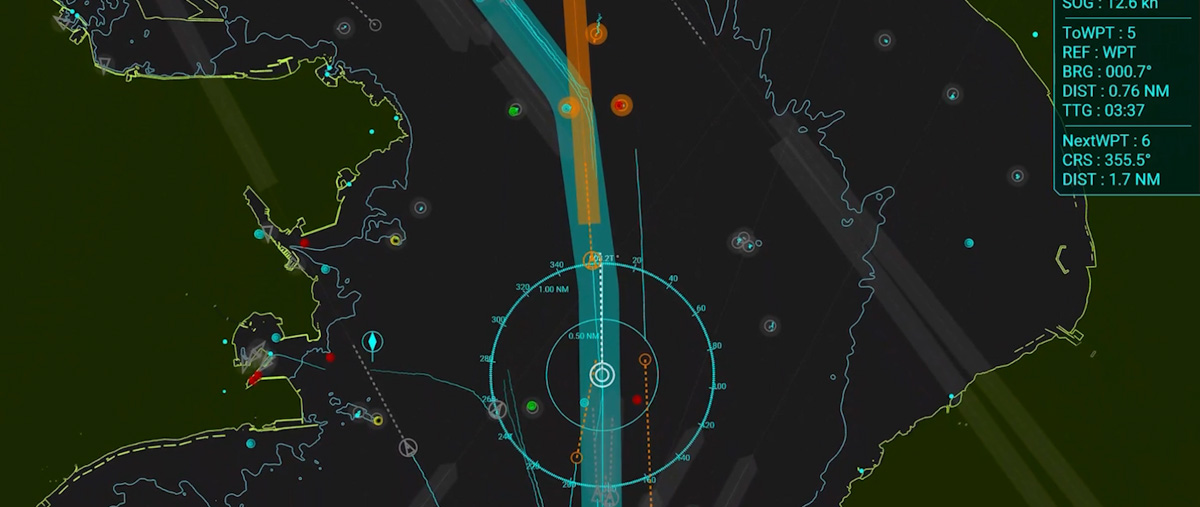
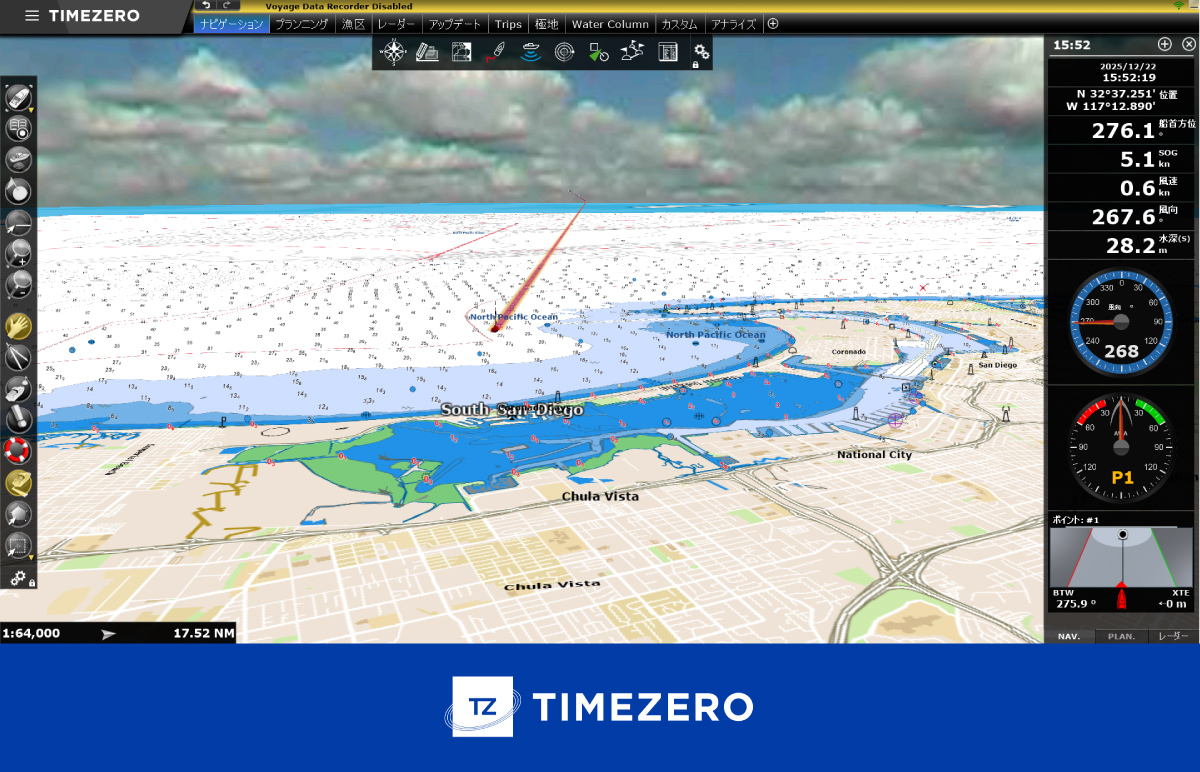
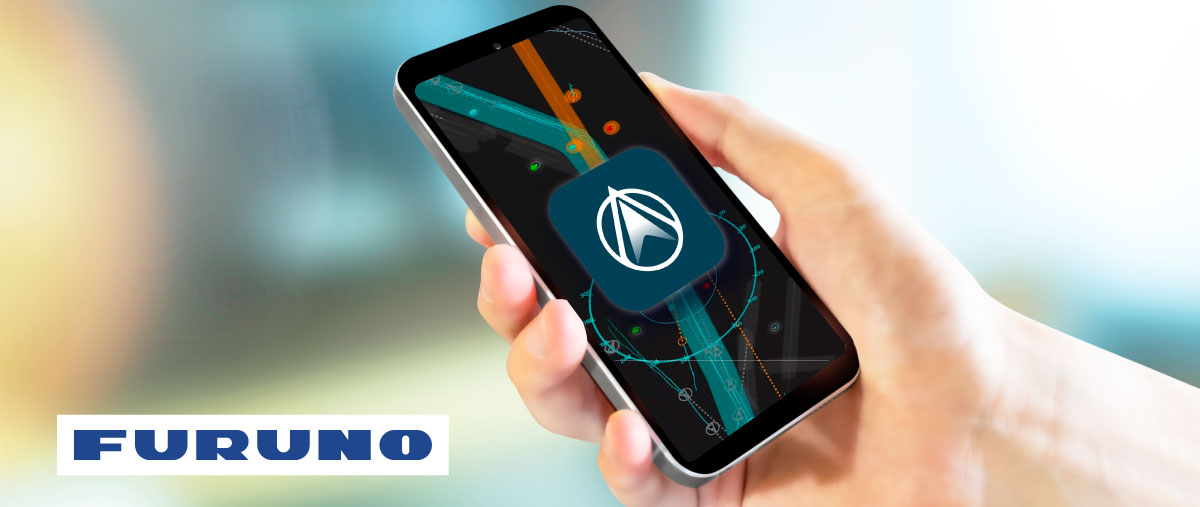
Information from onboard navigation instruments, including TIMEZERO marine navigation software, is converted into real-time audio and delivered to Hiro via an app developed by Furuno Electric and the yacht’s onboard Wi-Fi
network.
・Wind direction and wind speed
・Position data and heading information
・Major changes in wind or course are alerted by alarms
・Obstacle-detection cameras
・Remote steering support in emergencies
Collision-Avoidance Support
・AIS (Automatic Identification System) exchanges information
between Hiro’s vessel and other ships
・Radar
Acting as Hiro’s eyes—or cane—the radar is scanned every hour
to check for the presence of obstacles.
・If there is a risk of collision,
alarms and vessel data are used to avoid danger.
◎ When Starlink Is Connected
■ Always-On Communication via Starlink
Hiro’s solo Pacific crossing will be live-streamed 24 hours a day.
High-sensitivity thermal cameras allow supporters around the world
to watch Hiro in real time, day and night,
as he continues his challenge on deck.
・All navigation data is transmitted from the onboard PC via Wi-Fi
and delivered to Hiro as audio through a dedicated app.
That same data is also sent through Starlink, allowing shore support teams to monitor conditions in real time,
communicate with Hiro by voice, and provide assistance.
Working together with the watchful eyes of people around the world
and a 24-hour shore support system,
this represents a world-first challenge to ensure Hiro’s safety.
・Receiving weather information
・Communication with shore support
・Emergency assistance requests
・The eyes of supporters around the world